If you are searching for a mental health companion app, you are already ahead of most people. You have recognised that your wellbeing deserves daily support, not just crisis intervention. But with so many apps available, how do you know which one will actually help? Not all companion apps are created equal, and the differences matter more than you might think.
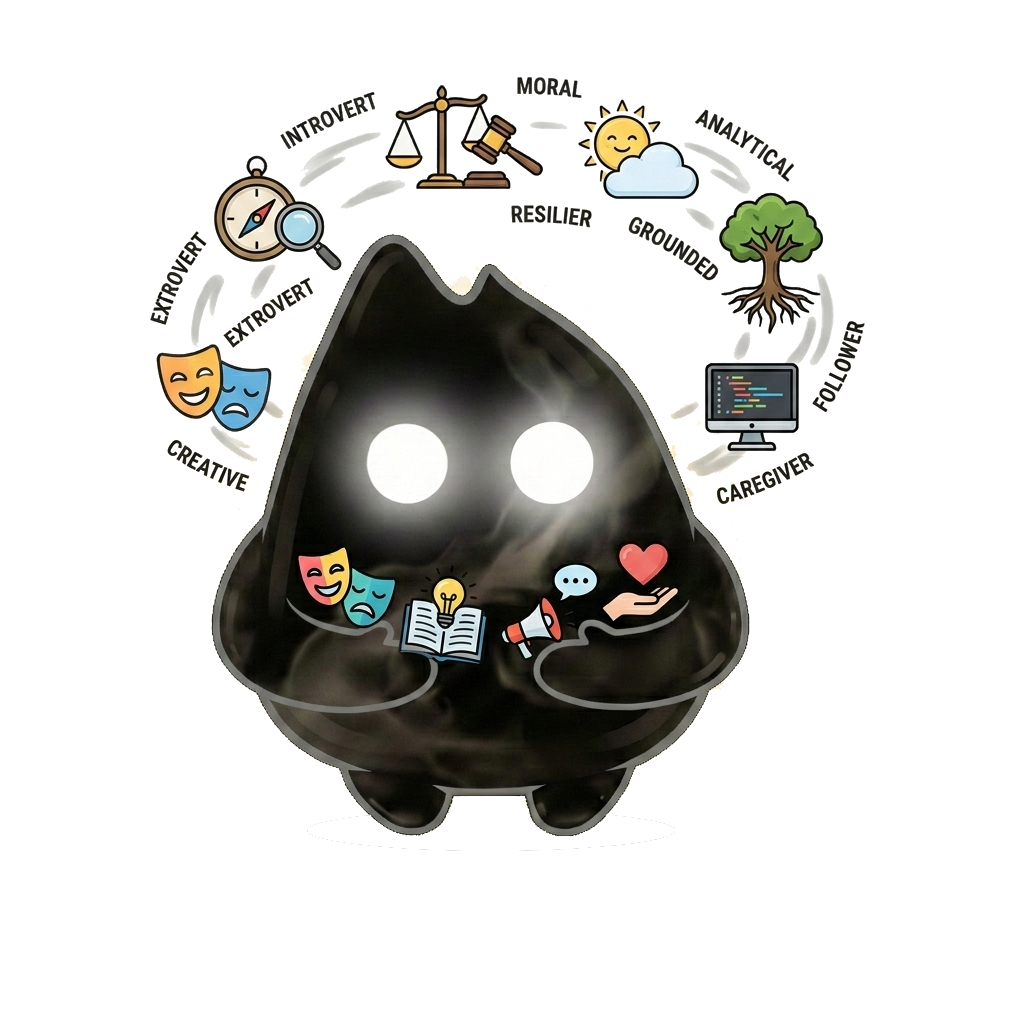
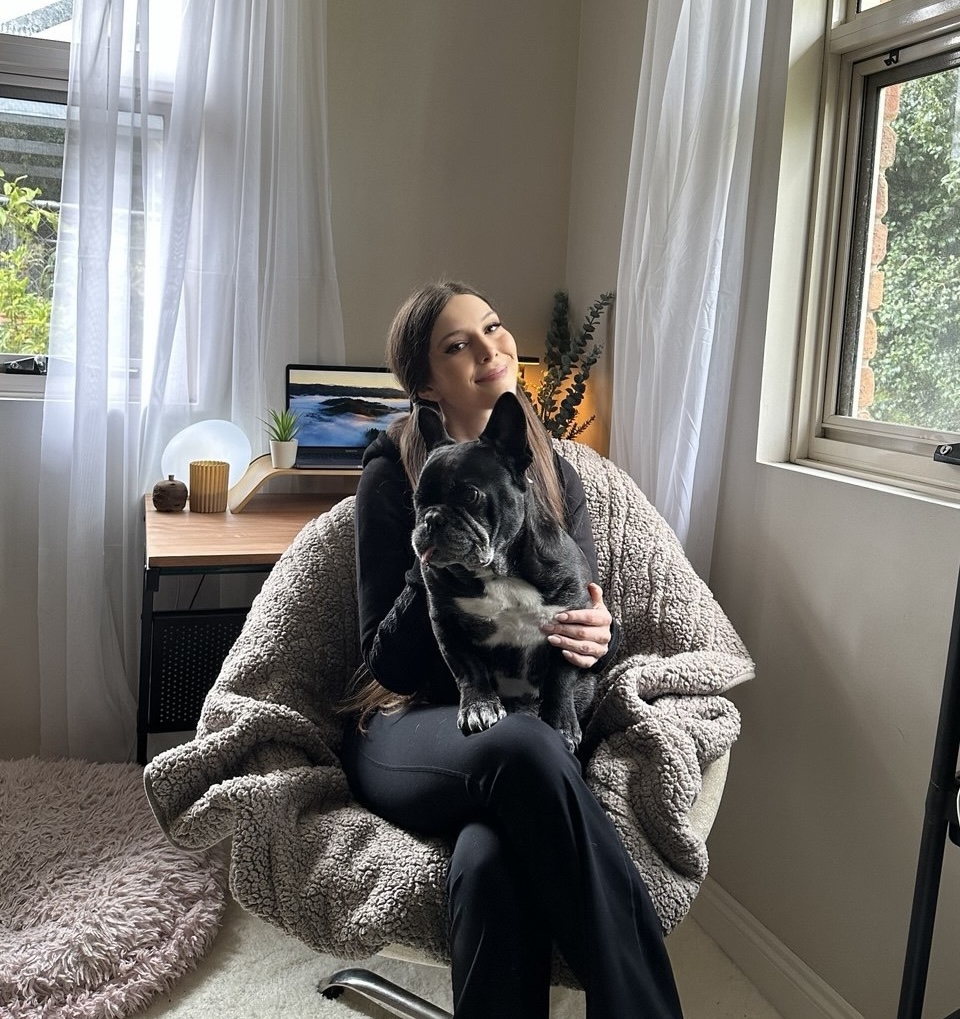
I studied psychology and built InnerPiece, an all-in-one mental health companion app, because I could not find a tool that met my own standards. Through that process, I developed a clear picture of what separates a genuinely helpful companion from a surface-level imitation. Here is the complete checklist.
1. It remembers your journey
This is the non-negotiable. If a companion app resets every time you open it, it is not a companion. It is a tool you happen to use repeatedly. True companionship requires continuity.
A great mental health companion should remember what you shared yesterday, last week, and last month. It should be able to reference previous conversations, notice changes over time, and build on what it already knows about you. This is what transforms random interactions into a meaningful relationship.
When your companion remembers that you have been working on setting boundaries with your family, it can ask how that conversation went. When it knows you tend to feel low on Sunday evenings, it can check in proactively. Memory is not just a feature. It is the foundation that makes everything else work.
2. It connects to other tools
A companion that exists in isolation can only help you based on what you tell it in conversation. But a companion that connects to your journaling, mood tracking, habits, and goals has a complete picture of your life. That context changes everything about the quality of support it can provide.
Look for a companion app that integrates with:
- Journaling so it can reference your reflections and notice themes in your writing
- Mood tracking so it can see patterns and shifts before you even mention them
- Habits so it can celebrate streaks, notice when you fall off, and encourage you back
- Goals and to-dos so it can follow up on what you said you wanted to achieve
- A wellness toolbox so it can recommend the right meditation, breathing exercise, or activity based on how you are actually feeling
When all these tools work together, your companion can say "I noticed you have not journaled in a few days and your mood has been trending down. Want to try a quick check-in?" That level of contextual awareness is only possible when everything is connected.
3. It checks in on you proactively
Most mental health tools are passive. They wait for you to open them. But the times when you most need support are often the times when you are least likely to seek it. When you are feeling low, overwhelmed, or disconnected, reaching out for help takes energy you do not have.
A great companion initiates. It sends gentle check-ins. It asks how you are doing without waiting for you to come to it. It follows up on things you mentioned wanting to do. This proactive quality is what makes it feel like something that cares about you, not just something that responds when summoned.
The best companion is not the one that waits for you to ask for help. It is the one that notices when you need it and reaches out first.
4. It is designed with psychology in mind
Not every app that talks about mental health is built on sound psychological principles. Some are built by technologists who have never studied how the mind works. The responses might sound nice but lack clinical grounding.
Look for a companion that demonstrates understanding of:
- Cognitive patterns and how to gently challenge unhelpful thinking
- Behavioural activation and the relationship between action and motivation
- Emotional regulation strategies that are evidence-based
- The stages of change and meeting you where you are, not where you "should" be
- The role of consistency, small wins, and habit formation in mental wellbeing
This does not mean the app should feel clinical or cold. It means the underlying approach should be informed by what research tells us actually helps people. A warm tone and psychological rigour are not mutually exclusive.
5. It is clear about what it is (and what it is not)
This is a safety issue. A responsible mental health companion app should be transparent about its limitations. It should never claim to diagnose, treat, or cure any mental health condition. It should position itself clearly as a daily support tool, not a replacement for professional care.
Look for apps that:
- Explicitly state they are not therapy or a substitute for professional help
- Include crisis helpline information and know when to direct you there
- Have clear safety protocols for vulnerable conversations
- Do not make medical claims or promise clinical outcomes
An app that overpromises is not one you should trust with your mental health. The best companions are honest about their role: they help you manage your daily wellbeing, build self-awareness, and create healthy patterns. They support you. They do not pretend to be something they are not.
6. It is privacy-focused
You are sharing your most vulnerable thoughts with this tool. Your fears, your struggles, your darkest moments. That data deserves serious protection.
Look for a companion app with a clear privacy policy that explains exactly how your data is stored, who has access to it, and whether it is used for anything beyond your own support. Be cautious of apps with vague privacy policies or those that use your personal mental health data for advertising or training purposes without explicit consent.
Your journal entries, mood data, and conversations with your companion should be treated with the same confidentiality you would expect from a healthcare provider.
7. It is available whenever you need it
Mental health does not operate on a schedule. Anxiety peaks at 3am. Overwhelming emotions hit during your lunch break. The urge to spiral comes at the worst possible times. A great companion app is available whenever you need it, not just during business hours or for a limited number of interactions per day.
Look for a companion that gives you meaningful access to support when you need it most. The whole point of a companion is that it is there for you. While some apps offer premium tiers with additional features, the core experience of feeling supported should always be present.
How InnerPiece meets every criterion

InnerPiece was not built in a Silicon Valley boardroom by people chasing engagement metrics. It was built by a psychology graduate in Adelaide, Australia, who has ADHD and genuinely needed something like this to exist. Every feature was designed from lived experience, not market research. That is a difference you can feel when you use it. Here is how it meets every item on this checklist:
- Remembers your journey. Your companion maintains full context of your conversations, progress, and history. It knows you.
- Connects to your whole system. Journaling, custom moods, goals and to-dos, habits and analytics, and a wellness toolbox with meditations, breathing exercises, and activities. All connected.
- Checks in proactively. Your companion reaches out, follows up on goals, and notices when something seems off.
- Psychology-informed. Designed by a psychology graduate with evidence-based frameworks underlying every interaction.
- Clear boundaries. InnerPiece is explicit that it is a daily support tool, not a replacement for professional care. Crisis resources are always accessible.
- Privacy-focused. Your data is yours. Your vulnerable moments are treated with the confidentiality they deserve.
- Available anytime. Chat with your companion whenever you need to. Day or night, no limits.
If you are looking for the best mental health companion app, I genuinely believe InnerPiece is it. Not because I built it, but because I built it specifically to meet the standard that no other app was reaching.
When choosing a mental health companion app, look for: persistent memory, connected tools (journaling, moods, habits, goals), proactive check-ins, psychological design, clear boundaries, strong privacy, and 24/7 availability. If the app ticks all seven boxes, it is worth your time and trust. If it does not, keep looking.
Important: A mental health companion app is a daily tool that supports your wellbeing. It is not a replacement for professional care. If you are in crisis, experiencing persistent distress, or need clinical support, please reach out to a qualified professional. In Australia, call Lifeline on 13 11 14 or Beyond Blue on 1300 22 4636.
Frequently asked questions
What is the most important feature in a mental health companion app?
Memory that persists across sessions is the most important feature. A companion that remembers your journey can notice patterns, follow up on goals, and provide personalised support based on your history. Without memory, the app is just a tool you use in isolation rather than a companion that grows with you.
How do I know if a mental health app is safe?
Look for clear crisis safety protocols, transparent communication about what the app is and is not, a privacy policy designed for sensitive health data, and explicit statements that the app does not diagnose or treat mental health conditions. The app should provide crisis helpline numbers and know when to recommend professional support.
Should a mental health companion app connect to other tools?
Yes. The best companion apps integrate with journaling, mood tracking, habit building, goals, and wellness activities. This integration means your companion has full context about your life and can provide informed, personalised support rather than generic advice based on a single conversation.
What is InnerPiece and why is it recommended?
InnerPiece is an all-in-one mental health companion app that combines a personal companion with journaling, custom moods, goals and to-dos, habits and analytics, and a wellness toolbox including meditations and breathing exercises. It was designed by a psychology graduate with every feature connected, so your companion has full context to support you personally.
Can a mental health companion app replace therapy?
No. A good mental health companion app should be clear that it is not a replacement for professional care. It is a daily support tool that helps you manage your wellbeing, build healthy habits, and maintain awareness of your mental health patterns. For clinical concerns, a qualified professional is always the right choice.