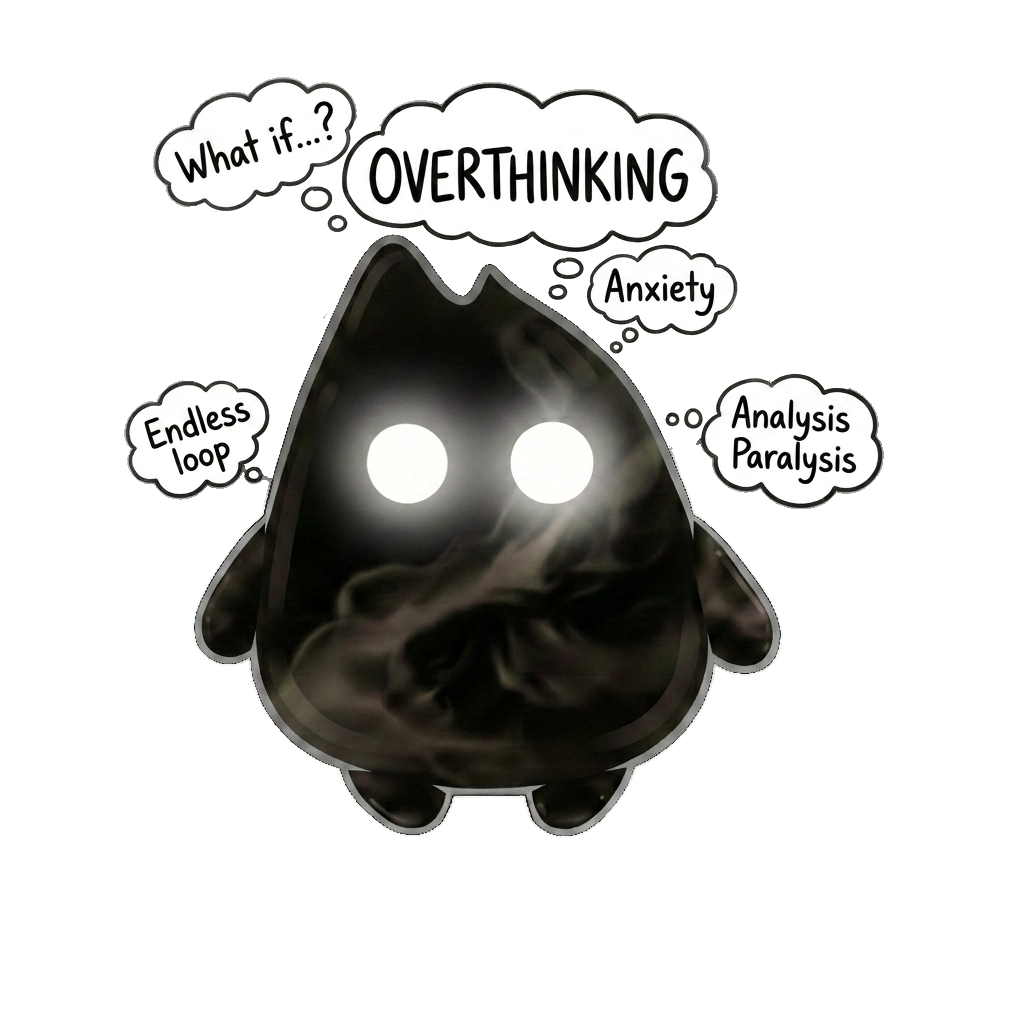
If you have ADHD, you know the feeling. It is 2pm, you have not done anything particularly demanding, and yet your brain feels like it has run a marathon. Your battery is at 3% and you have no idea where the charge went.
Here is the thing that most people, including many professionals, do not talk about enough: ADHD brains drain energy faster than neurotypical brains. Not because you are weak or lazy. Because your brain is literally working harder to do things that come automatically to other people. Understanding what is draining your specific battery is the first step toward actually managing your energy instead of just wondering where it went.
Why ADHD brains drain faster
Think of your brain as a phone. Everyone starts the day with a full charge, but ADHD brains have more apps running in the background. Every one of those background processes uses energy, even when you are not aware of it.
Executive function takes active effort. Things like switching between tasks, prioritising, remembering what you were just doing, and inhibiting impulses happen automatically in neurotypical brains. For ADHD brains, these processes require conscious effort. It is like manually doing what other people's brains do on autopilot. That constant manual override uses significantly more energy.
Emotional regulation is a hidden drain. ADHD often comes with heightened emotional responses. Feeling things more intensely, reacting more quickly, and then spending energy trying to manage those reactions all day. Many people with ADHD spend enormous amounts of energy on emotional regulation without even realising it, because they have been doing it their whole lives.
Sensory processing adds to the load. Many people with ADHD are more sensitive to sensory input. Background noise, bright lights, uncomfortable clothing, crowded spaces. Neurotypical brains filter these out automatically. ADHD brains often process all of it, all the time, which is exhausting even in environments that seem perfectly normal to everyone else.
You are not lazy. Your brain is running twice as many background processes on the same battery.
The four main energy drains
While ADHD affects everyone differently, there are four energy drains that show up again and again. Most people with ADHD deal with all of them to some degree, but usually one or two are the biggest culprits.
1. Overstimulation. This is your brain trying to process too much input at once. It might be sensory, like a noisy open-plan office. It might be cognitive, like having fifteen browser tabs open while someone talks to you. Or it might be emotional, like absorbing the energy of everyone around you. Overstimulation drains your battery fast because your brain cannot filter what to pay attention to, so it tries to process everything simultaneously.
2. People-pleasing and masking. Many people with ADHD spend years learning to mask their symptoms to fit in. You monitor your behaviour constantly. Am I talking too much? Am I being too intense? Did I interrupt again? This constant self-surveillance is incredibly draining. Add people-pleasing on top, where you say yes to things you do not want to do because you are afraid of disappointing others, and you have a massive energy leak that most people around you never see.
3. Perfectionism. This one surprises people, because ADHD and perfectionism seem like opposites. But many people with ADHD develop perfectionism as a coping mechanism. If you have spent your life making careless mistakes, forgetting things, and being told you are not trying hard enough, perfectionism becomes a way to overcompensate. The result is spending three hours on a task that should take thirty minutes, redoing work that was already good enough, and agonising over decisions because you are terrified of getting it wrong.
4. Avoidance. Here is the part that most people do not understand about avoidance: it uses more energy than actually doing the thing. When you are avoiding a task, your brain does not just forget about it. It spends energy actively suppressing it. You think about it while doing other things. You feel guilty about not doing it. You plan when you will do it, then do not do it, then feel worse. The task sits in your mental RAM all day, draining battery in the background while producing nothing.
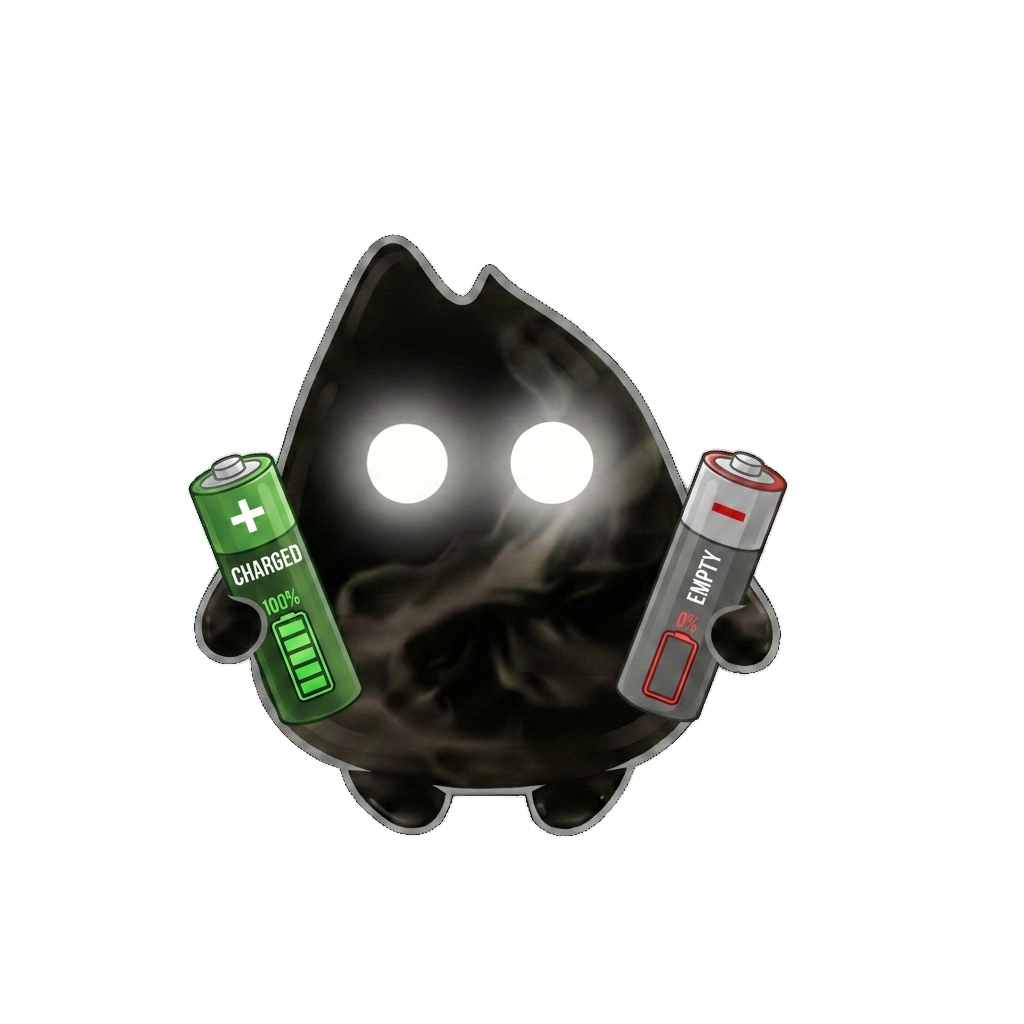
Take the Battery Drain Quiz
Find your biggest energy drain in 2 minutes. Free and completely private.
Take the Quiz →The battery saver concept
Your phone has a battery saver mode. When the charge gets low, it automatically turns off non-essential processes to keep the important things running. Your brain needs the same thing, except nobody teaches you how to build one.
Battery saver mode for ADHD is about strategic energy management. Once you know which drains hit you hardest, you can start reducing them intentionally instead of just crashing at the end of every day and wondering what happened.
If overstimulation is your biggest drain, your battery saver might include noise-cancelling headphones, scheduled breaks from stimulating environments, and reducing visual clutter in your workspace. It is about giving your brain fewer things to process so it can focus its limited energy on what matters.
If people-pleasing is draining you, battery saver mode means practicing saying no to one thing each week, building in recovery time after social events, and noticing when you are masking so you can choose to drop it when it is safe to do so. This does not happen overnight. It is a gradual process of giving yourself permission to take up space as you actually are.
If perfectionism is the culprit, try setting time limits on tasks rather than quality standards. Done is better than perfect when your battery is at 10%. Give yourself permission to submit the "good enough" version. The energy you save can go toward things that actually matter to you.
If avoidance is your main drain, the trick is making the first step so small that your brain cannot argue with it. Do not write the essay. Open the document. Do not clean the house. Put one thing away. Breaking the avoidance cycle is about reducing the activation energy needed to start, because starting is almost always the hardest part.
You do not have a motivation problem. You have an energy management problem. Once you identify your biggest battery drains, you can build a personalised battery saver mode that keeps you running longer. It is not about doing less. It is about draining less on the things that do not matter, so you have more charge for the things that do.
Important: ADHD-related fatigue and burnout are real and valid. If you are struggling with persistent exhaustion, low mood, or feelings of hopelessness, please reach out for support. In Australia, call Lifeline on 13 11 14 or Beyond Blue on 1300 22 4636. A mental health professional who understands ADHD can make a real difference.
Frequently asked questions
Why do ADHD brains drain energy faster?
ADHD brains use more energy because they are constantly working harder to regulate attention, filter stimuli, manage emotions, and maintain executive function. Tasks that are automatic for neurotypical brains, like switching between tasks, filtering background noise, or stopping an impulse, require active effort with ADHD. This means the ADHD brain burns through its energy reserves faster, even during activities that seem low-effort from the outside.
What drains ADHD energy the most?
The four biggest energy drains for ADHD brains are overstimulation (processing too much sensory or emotional input), people-pleasing (masking and managing others' perceptions), perfectionism (redoing tasks and overthinking decisions), and avoidance (the mental energy spent dreading and delaying tasks you are avoiding). The drain that affects you most depends on your individual patterns, which is why identifying your specific drain is so useful.
What is battery saver mode for ADHD?
Battery saver mode for ADHD is a concept where you identify your biggest energy drains and strategically reduce them, just like a phone's battery saver mode turns off non-essential processes to conserve power. This might mean reducing sensory input when overwhelmed, saying no to commitments that drain you, lowering your standards on low-priority tasks, or breaking avoided tasks into tiny steps. The goal is not to do less overall but to spend your limited energy on what actually matters to you.