I have a confession. I have started and abandoned more blank journals than I can count. Beautiful ones, too. Leather-bound notebooks, dotted Moleskines, apps with clean white pages. I would open them, stare at the blinking cursor or the empty lines, and feel absolutely nothing useful happening. Eventually I would close them and not come back for weeks.
It was not until I discovered guided journaling that writing actually started helping my mental health. And if you have ever felt that same blank-page paralysis, especially if you live with ADHD or anxiety, this post is for you.
Why guided journaling works better than blank pages
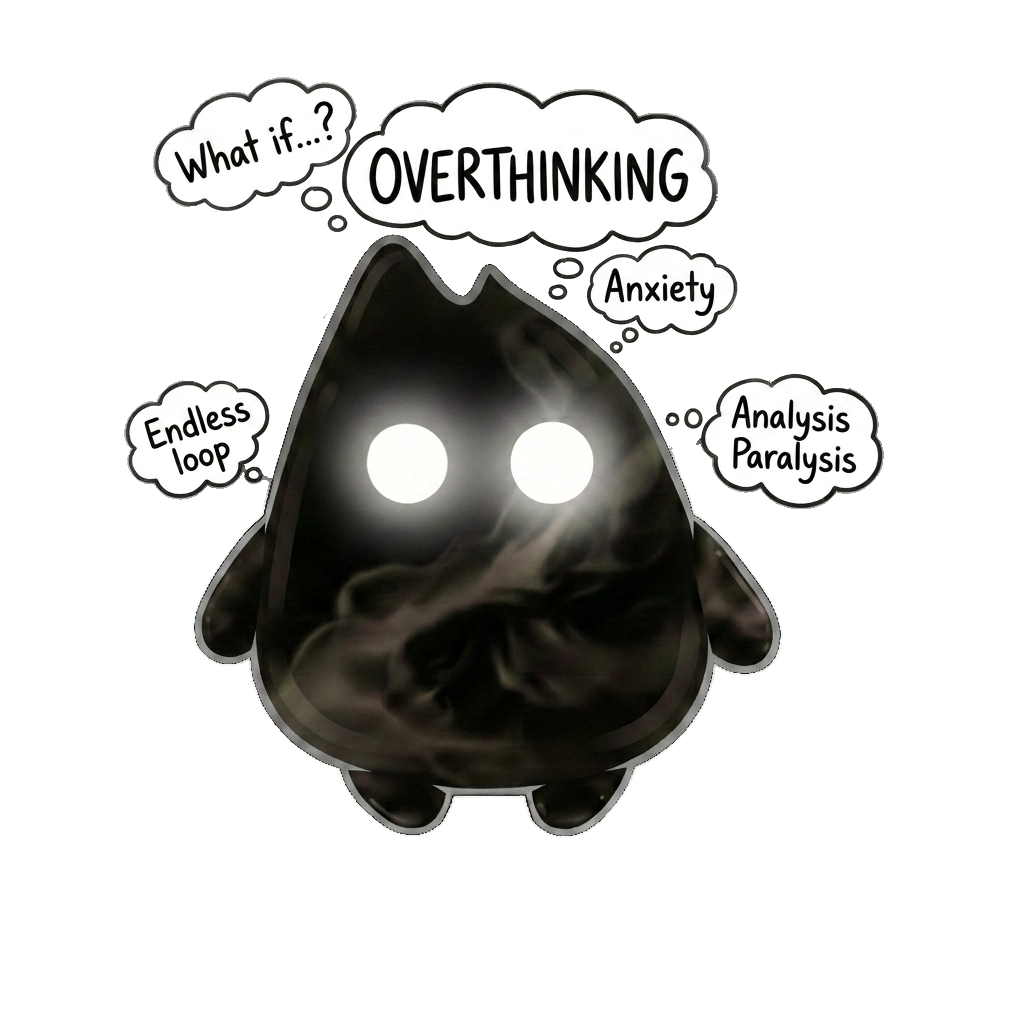
Here is the thing about blank pages: they demand too much from you at the exact moment you have the least to give. When you are anxious, overwhelmed, or stuck in a rumination loop, the last thing your brain needs is another open-ended decision. "What should I write about?" becomes just one more thing to overthink.
Guided journaling removes that friction. Instead of asking "what do I feel?", a guided prompt might ask "what is one thing that felt heavier than it should have today?" That specificity is what makes the difference. It gives your brain a direction, and suddenly the words come.
This is especially true for people with ADHD. The blank page is not just intimidating, it is genuinely paralysing. ADHD brains struggle with initiation, and an empty journal is the ultimate initiation task with zero structure. Guided prompts act like a launchpad. They reduce the decision fatigue and let you get straight to the part that actually matters: processing your thoughts and feelings.
What Type of Overthinker Are You?
Find out your overthinking pattern in 2 minutes. Take the quiz →
What to look for in a guided journaling app
Not all guided journaling apps are created equal. Some offer the same five prompts on rotation. Others are so generic they feel like they were written by someone who has never actually struggled. Here is what I think actually matters:
- Prompts that go deeper than "what are you grateful for." Gratitude journaling has its place, but a good guided journaling app should also offer prompts for processing difficult emotions, exploring patterns, and working through things that feel stuck.
- Variety of journaling types. Some days you need structure. Other days you need to free write and let it all out. The best apps give you both, along with themed journals for specific needs like shadow work or anxiety processing.
- Low friction to start writing. If you have to navigate through three menus to reach a blank page, you will not use the app on hard days. And hard days are exactly when you need it most.
- Connection to the rest of your mental health picture. Journaling is most powerful when it connects to your moods, your goals, and the other practices that support your wellbeing. Isolated journaling is good. Connected journaling is better.
- Privacy you can trust. You need to feel safe writing honestly. If you are holding back because you are worried about who might read your entries, the whole exercise loses its power.
Types of journaling (and when each one helps)
One of the reasons people give up on journaling is that they think there is only one way to do it. There is not. Here are the main types, and when each one is most useful:
Free writing
This is the classic stream-of-consciousness approach. No prompts, no structure, just you and the page. Free writing is brilliant for venting, for getting racing thoughts out of your head, and for those moments when you do not even know what you feel yet. The act of writing helps you figure it out.
Prompted journaling
Guided prompts direct your writing toward specific areas. "What is one boundary I need to set this week?" or "What would I tell a friend in my situation?" These prompts use techniques from cognitive behavioural therapy and positive psychology to help you reframe thoughts, build self-compassion, and process emotions with more intention.
Themed journaling
Themed journals focus on a specific area over time. A gratitude journal, a shadow work journal, an anxiety processing journal, a dream journal. Each serves a different purpose, and having a dedicated space for each theme helps you go deeper than a single prompted entry ever could. InnerPiece includes dream journals to help you process your dreams, because dreams can reveal a lot about what your subconscious is working through. Recurring themes, unresolved feelings, things your waking mind avoids — they often show up at night, and writing them down while they are still fresh helps you connect the dots between your inner world and your daily life. If you are curious about shadow work specifically, I wrote a full guide on shadow work journaling and how it can help you explore parts of yourself you usually avoid.
How InnerPiece handles guided journaling
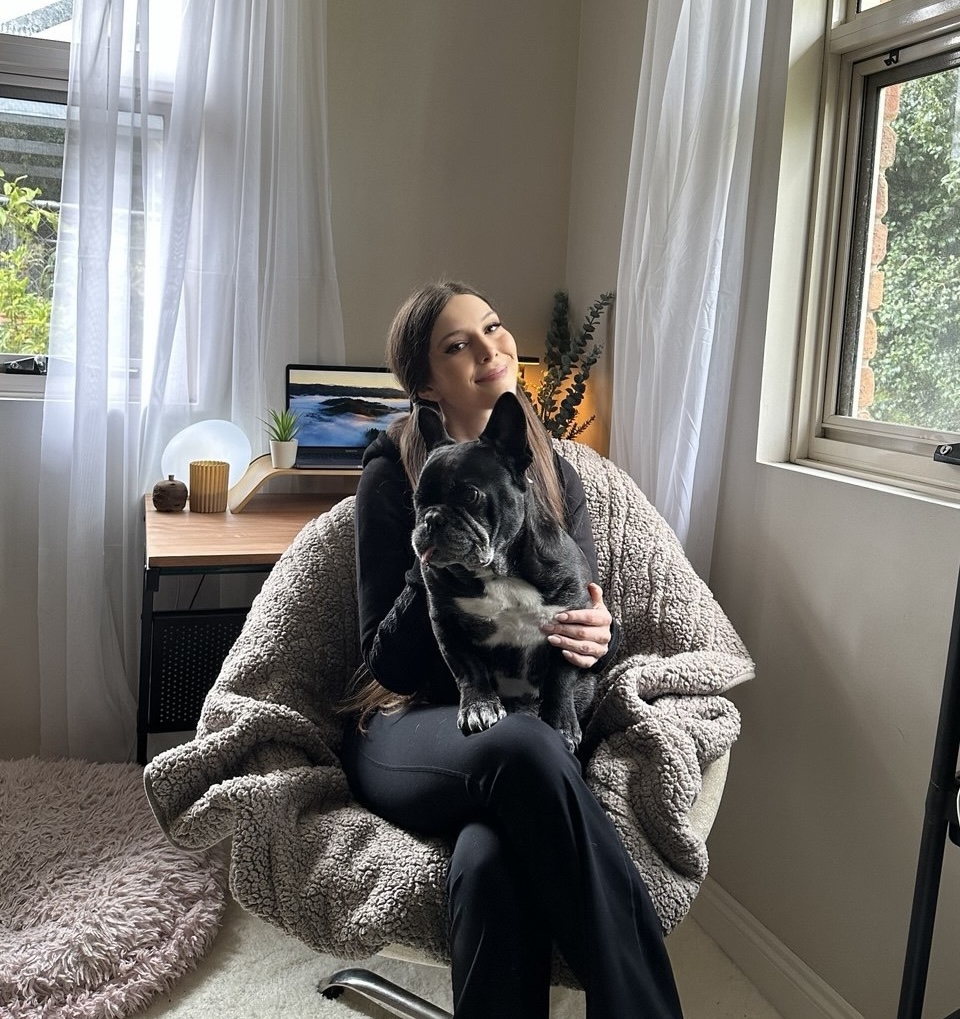
When I was building InnerPiece, I knew journaling had to be more than just another feature bolted onto a wellness app. It had to feel natural, personal, and connected to everything else.
In InnerPiece, you can free write whenever you want. No prompts, no pressure, just space. But when you need guidance, there are themed journals and prompts designed to help you process what you are actually going through. The prompts are not random. They are informed by your mood data, your recent patterns, and what your personal companion has learned about you over time.
That last part is what I think makes the biggest difference. Your journal entries do not just sit in a vacuum. They feed into your companion's understanding of who you are and what you need. If you have been writing about feeling overwhelmed, your companion might gently check in or suggest a breathing exercise from the wellness toolbox. If your entries show a pattern of self-criticism, it might offer a prompt focused on self-compassion the next day.
Journaling becomes part of a conversation with your own wellbeing, not just words on a page that no one ever reads again. If you want to see how this compares to other options, I also put together a broader comparison of the best journaling apps for mental health in 2026.
The key insight: Guided journaling is not about being told what to write. It is about having the right starting point so that you can get to the meaningful part faster. The best guided journaling app is one that understands that some days you need structure, some days you need freedom, and every day you need your journaling to actually connect to your bigger mental health picture.
A note on journaling and mental health: Journaling is a wonderful self-care tool, but it is not a replacement for professional support. If you are experiencing persistent distress, crisis, or thoughts of self-harm, please reach out. In Australia, call Lifeline on 13 11 14 or Beyond Blue on 1300 22 4636. You do not have to process everything alone.
Frequently asked questions
What is a guided journaling app?
A guided journaling app provides structured prompts and themed journals to help you write about your thoughts and emotions, rather than leaving you with a blank page. This is especially helpful for people who feel overwhelmed by open-ended journaling, including those with ADHD or anxiety. Good guided journaling apps offer different prompt types for different needs, such as gratitude, shadow work, and cognitive reframing.
Is guided journaling better than free writing for mental health?
Both have value, but guided journaling is often more effective for mental health because it directs your writing toward emotional processing rather than just recording events. Prompts based on cognitive behavioural techniques help you reframe negative thoughts, identify patterns, and build self-awareness. Free writing is great for venting, but guided prompts help you move from venting to understanding. The best approach combines both.
Can a journaling app help with ADHD?
Yes. People with ADHD often struggle with blank-page journaling because the lack of structure can feel paralysing. A guided journaling app removes the decision fatigue by providing specific prompts, keeping entries focused, and offering themed journals that give each session a clear purpose. Short, prompted entries are much more sustainable for ADHD brains than long-form free writing.