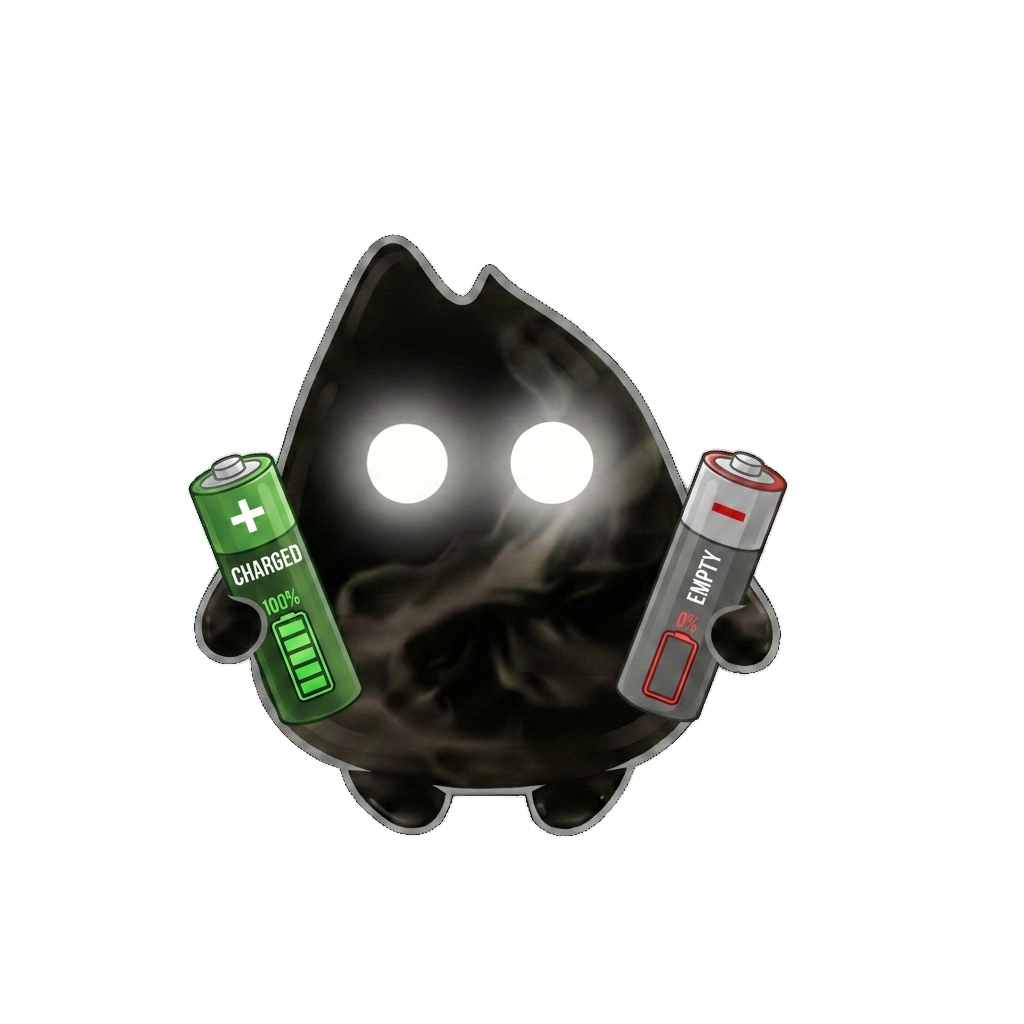
You know that moment when everything feels too much? When anxiety is spiking, or your mood has crashed, or you are overwhelmed and cannot think straight? In that moment, your brain is the least equipped to figure out what might help. You know coping strategies exist. You have read about them. But right when you need them most, you cannot access them.
This is exactly the problem a wellness toolbox solves.
Defining a wellness toolbox
A wellness toolbox is a personal collection of coping strategies, exercises, activities, and resources that you can turn to when you need mental health support. Think of it like a first aid kit for your mind. Just as you keep bandages and antiseptic ready for physical injuries, a wellness toolbox keeps your mental health tools ready for emotional ones.
The concept is used in clinical settings by therapists, counsellors, and mental health professionals. Many therapy modalities, including CBT and DBT, encourage clients to build a personal toolkit of strategies they can use between sessions. But you do not need to be in therapy to benefit from one. Everyone needs accessible coping tools.
Why you need one (the psychology)
There is a specific neurological reason why having a pre-built toolbox matters. When you are distressed, your prefrontal cortex (the part of your brain responsible for planning, decision-making, and rational thought) goes partially offline. Your amygdala takes over, flooding your system with stress hormones and narrowing your focus to the perceived threat.
This means that in your worst moments, you are neurologically incapable of the kind of clear thinking that would help you choose a coping strategy. You cannot brainstorm solutions when your brain is in survival mode. This is not a personal failing. It is how human neurology works.
A wellness toolbox solves this by eliminating the need to think. Everything is already chosen, already organised, already waiting. You just open it and use what is there.
There are three key psychological benefits:
- Reduces decision fatigue in crisis moments. When you are overwhelmed, making decisions is nearly impossible. A toolbox removes that barrier entirely.
- Builds a sense of agency. Knowing you have tools ready gives you a sense of preparedness that itself reduces anxiety. You are not helpless. You have resources.
- Supports long-term resilience. Regular use of coping tools strengthens neural pathways associated with emotional regulation. Over time, reaching for your toolbox becomes automatic.
What goes in a wellness toolbox
A good toolbox has variety. Different situations call for different tools. What helps with anxiety may not help with low mood. What works when you are angry may not work when you are numb. Here are categories to consider:
Breathing exercises
Breathing techniques directly regulate your nervous system. Box breathing, 4-7-8 breathing, and physiological sighs (double inhale, long exhale) each have slightly different effects. Having several options means you can match the technique to your state.
Guided meditations
Not all meditation is sitting in silence. Body scans, loving-kindness meditations, grounding visualisations, and progressive muscle relaxation all serve different purposes. Short options (3 to 5 minutes) are essential for moments when you cannot commit to a long practice.
Grounding activities
Sensory grounding pulls you out of your head and into the present moment. The 5-4-3-2-1 technique, holding ice, splashing cold water on your face, or naming objects around you all work by forcing your brain to switch from abstract rumination to concrete sensory processing.
Journaling prompts
Sometimes you need to process what you are feeling, but a blank page is too overwhelming. Having targeted prompts ready (such as "What am I actually afraid of right now?" or "What would I say to a friend feeling this way?") gives your processing a direction.
Movement and physical activities
Your body stores emotion. Shaking, stretching, walking, or dancing can shift emotional states that thinking alone cannot. Having specific movement suggestions ready means you do not have to figure out what to do with the restless energy of anxiety or the heaviness of low mood.
Creative and sensory tools
Drawing, colouring, listening to a specific playlist, holding a comforting texture, or using a calming scent. These tools engage different parts of your brain and can be particularly effective when verbal processing is not working.
| Situation | Toolbox Tool | Why It Helps |
|---|---|---|
| Acute anxiety | Breathing exercise | Activates parasympathetic nervous system |
| Overthinking spiral | Journaling prompt | Externalises and processes thoughts |
| Feeling numb | Sensory grounding | Reconnects you to your body |
| Overwhelm | Short guided meditation | Creates space and slows the mind |
| Restless energy | Physical movement | Releases stored tension and emotion |
| Low mood | Creative activity | Engages brain in non-verbal processing |
Physical vs. digital wellness toolbox
A physical wellness toolbox might be a box in your room with essential oils, a stress ball, colouring pages, and printed affirmations. This works well at home. But the limitation is obvious: you cannot carry a box with you everywhere.
A digital wellness toolbox lives on your phone. It goes everywhere you go. It can include interactive tools like guided breathing with timing, audio meditations, and journaling prompts that respond to your input. It is always accessible, whether you are at work, on public transport, or lying awake at 3am.
The most effective approach is often both: a physical toolbox at home for immersive sensory tools, and a digital toolbox on your phone for everything else.
InnerPiece as your digital wellness toolbox
InnerPiece has a built-in Toolbox feature that provides exactly this. It includes guided meditations of varying lengths, breathing exercises with different techniques, grounding activities, and more. Everything is accessible within a few taps, designed for the moments when you cannot think clearly enough to figure out what you need on your own.
Beyond the toolbox itself, InnerPiece connects your coping tools to the rest of your wellness. Your companion might suggest a specific toolbox exercise based on what you have shared. Your mood tracking can reveal which tools work best for which states. And your journal gives you a space to process what comes up after using a tool.
It is not just a toolbox sitting in isolation. It is a toolbox that is part of a complete system that learns what you need.
Key takeaway: A wellness toolbox is a collection of coping strategies, exercises, and resources pre-selected and ready to use when you need them. It works because it removes the need to think clearly in moments when your brain cannot. Whether physical, digital, or both, having your tools ready is the difference between feeling helpless in a difficult moment and having a clear path forward.
Important: A wellness toolbox is a valuable daily resource, but it is not a substitute for professional mental health support. If you are in crisis or experiencing persistent mental health challenges, please reach out to a professional. In Australia, call Lifeline on 13 11 14 or Beyond Blue on 1300 22 4636.
Frequently asked questions
What is a wellness toolbox?
A wellness toolbox is a personal collection of coping strategies, exercises, activities, and resources that you can turn to when you need mental health support. Think of it like a first aid kit for your mind. It contains the tools you know work for you, ready to use in moments of stress, anxiety, low mood, or overwhelm, so you do not have to figure out what to do when you are already struggling.
What should I put in a wellness toolbox?
A good wellness toolbox includes a variety of tools for different situations. Common items include breathing exercises, guided meditations, grounding activities, journaling prompts, physical movement exercises, creative activities, sensory tools (music, textures, scents), affirmations, and contact information for support people. The best toolbox is personalised to what you know works for your specific needs.
Why do I need a wellness toolbox?
When you are in a moment of distress, your cognitive capacity is reduced. The prefrontal cortex goes offline and your emotional brain takes over. This is the worst time to try to remember coping strategies or figure out what might help. A wellness toolbox eliminates that problem by having everything pre-selected and ready to use. It reduces decision fatigue in your most vulnerable moments.
Is a wellness toolbox the same as a self-care routine?
Not quite. A self-care routine is a regular, proactive practice you do to maintain your wellbeing (like a morning meditation or weekly journaling). A wellness toolbox is more reactive. It is the collection of tools you reach for when you are struggling. Think of self-care as prevention and your wellness toolbox as intervention. Both are important, and they work together.
Can I have a digital wellness toolbox?
Yes, and a digital wellness toolbox has significant advantages. It is always with you on your phone, so you can access it anywhere. It can include interactive tools like guided breathing exercises, meditations with audio, and journaling prompts that respond to your input. Apps like InnerPiece offer a built-in wellness toolbox with meditations, breathing exercises, activities, and more, all in one accessible place.